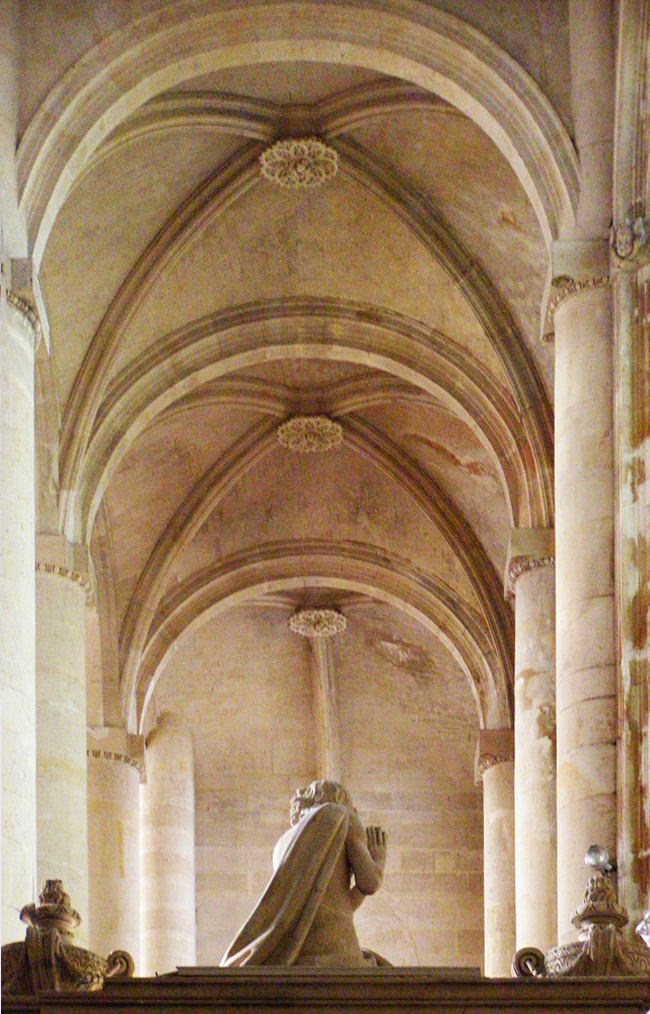
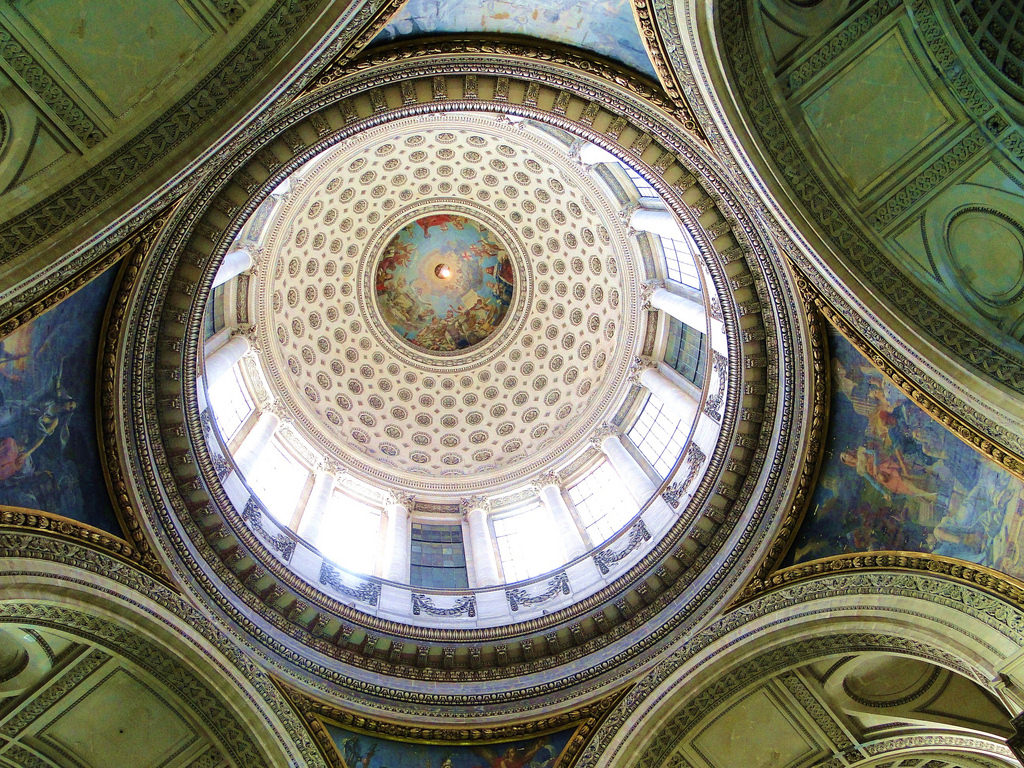
Eglise de Saint Etienne Du Mont
Paris, France
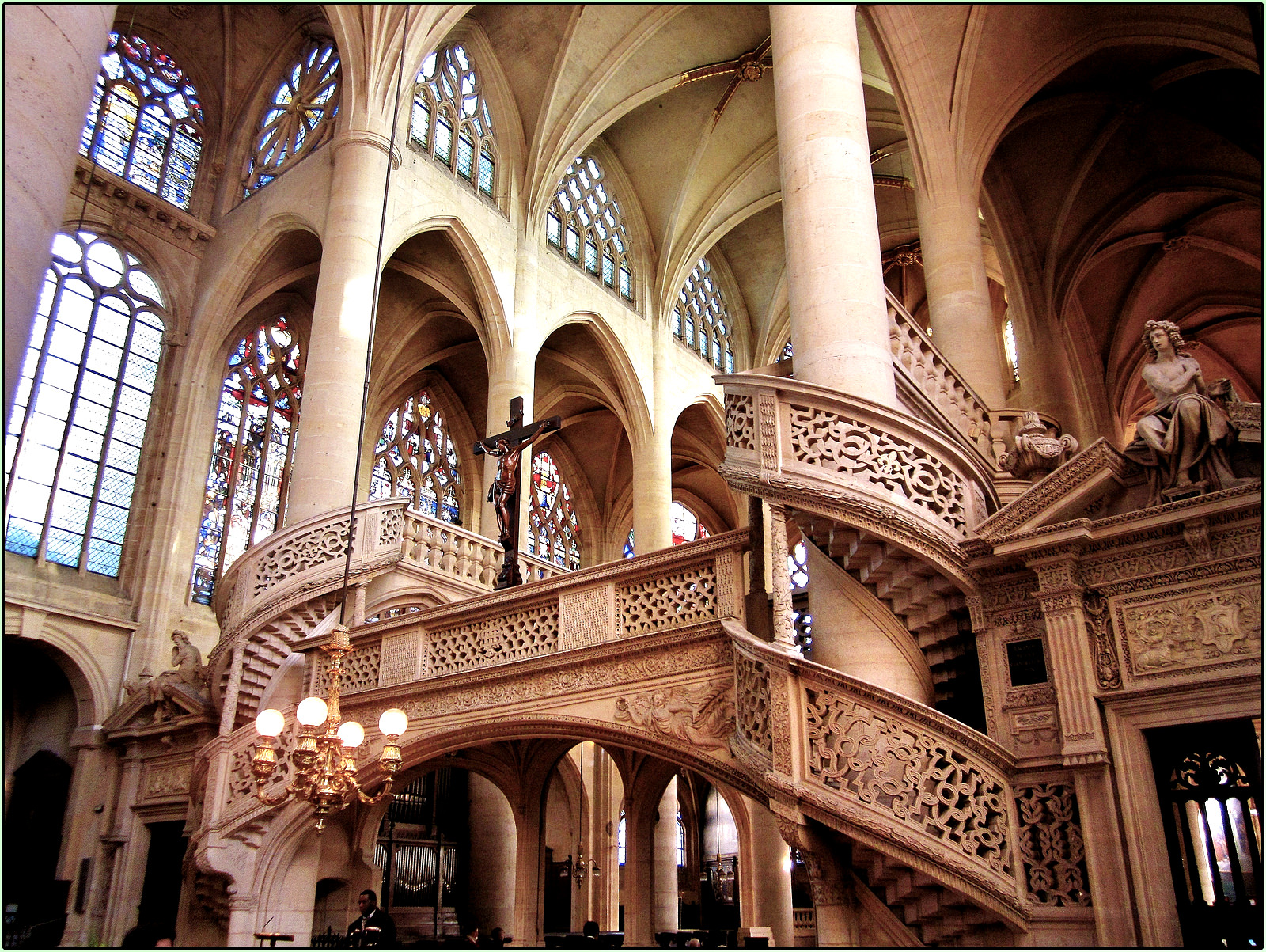
Eglise de Saint Etienne du mont
Photograph by Enrique Lopez-Tamayo Biosca1
The church of st-Etienne-du-Mont originated in the abbey of Sainte-Genevieve, where the saint had been buried in the 6th century. Devoted to the Virgin Mary, then to St. John the Apostle, the place was too small to accommodate all the faithful.
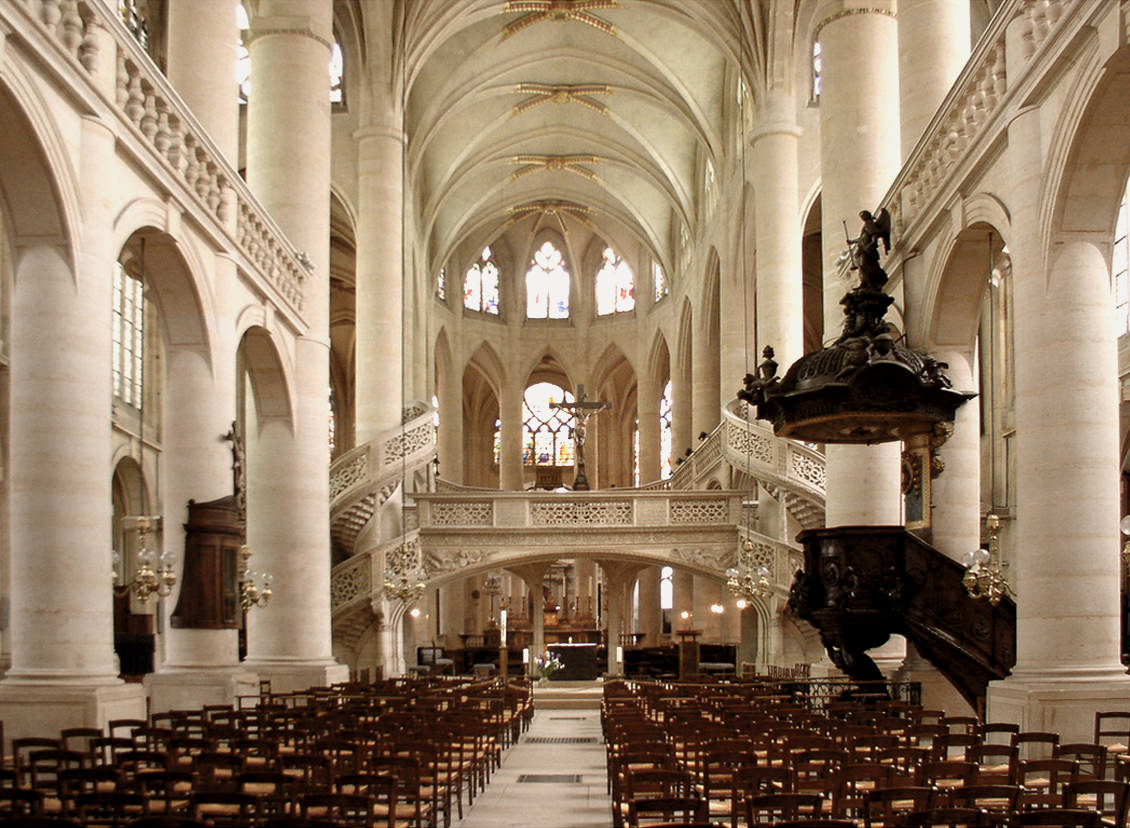
Eglise de Saint Etienne du mont
Photograph by Mike Schaffner2
Soon, the new building was overwhelmed by an increasingly dense population: the Sorbonne and many colleges were located on the territory of the parish. It was enlarged in 1328, but a complete reconstruction became necessary from the 15th century. In 1492, the monks Génovéfains donated a portion of their land for the construction of the new church.

Eglise de Saint Etienne du mont
Photograph by Drew McCarty3
During the 17th and 18th century, the church of st-Etienne-du-Mont enjoyed great prestige. It was the scene of great processions where the shrine of Sainte-Genevieve went to Notre Dame and subsequently returned to his church. It also housed the remains of Pierre Perrault, the father of the author of Tales, the painter Eustache Le Sueur and Blaise Pascal. Those of Racine and Isaac de Sacy Lemaistre were also transferred in 1711 from Port-Royal in st-Etienne.
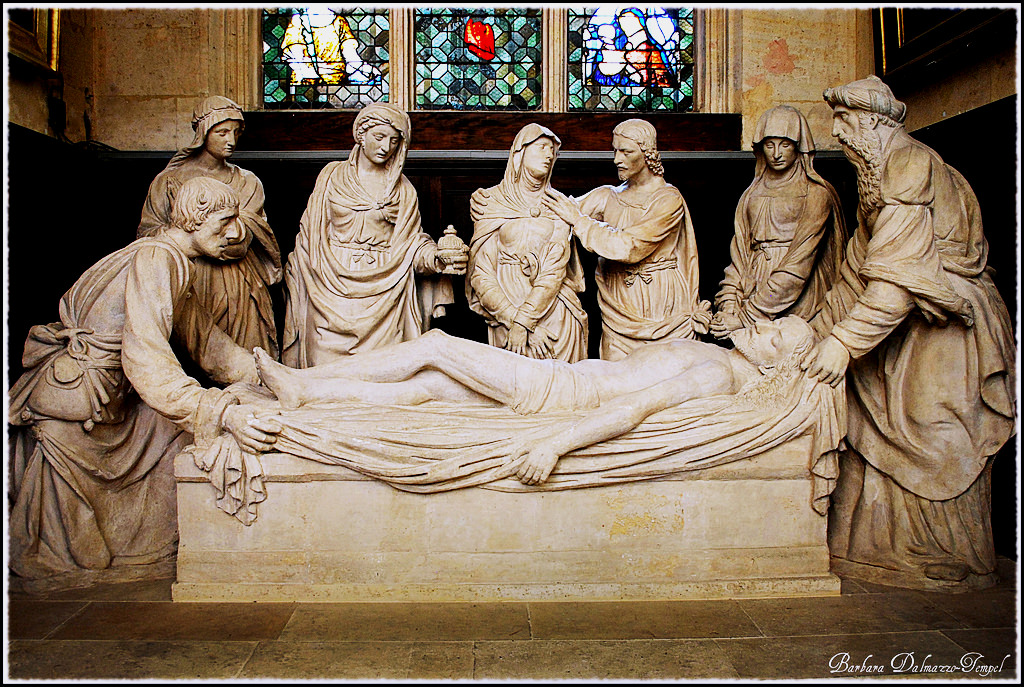
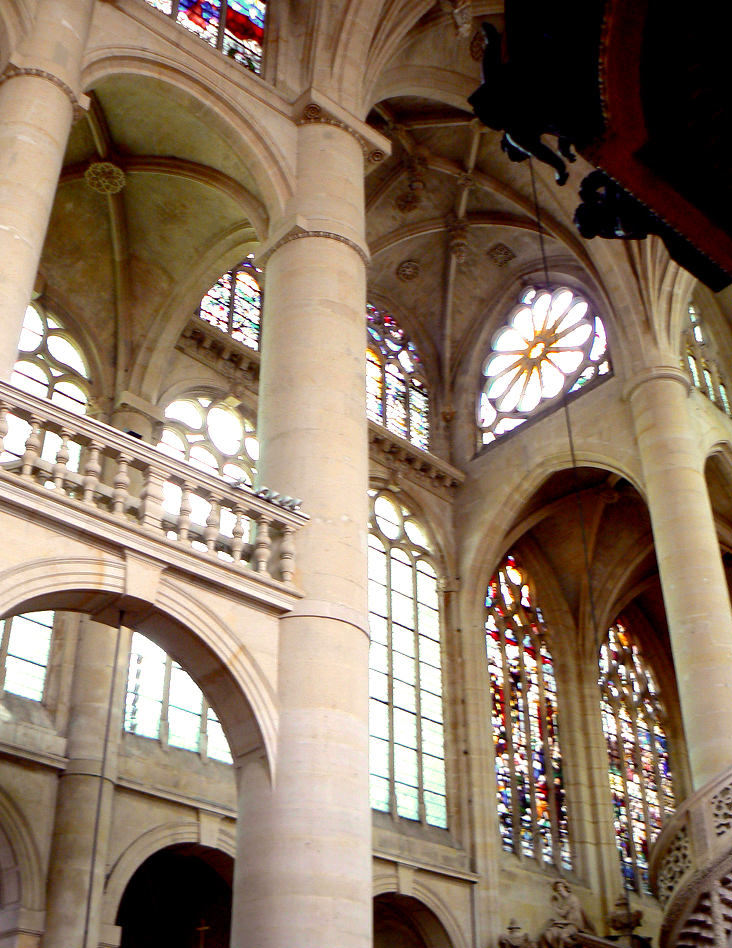
Eglise de Saint Etienne du mont
Photograph by Barbara Dalmazzo-Tempel4
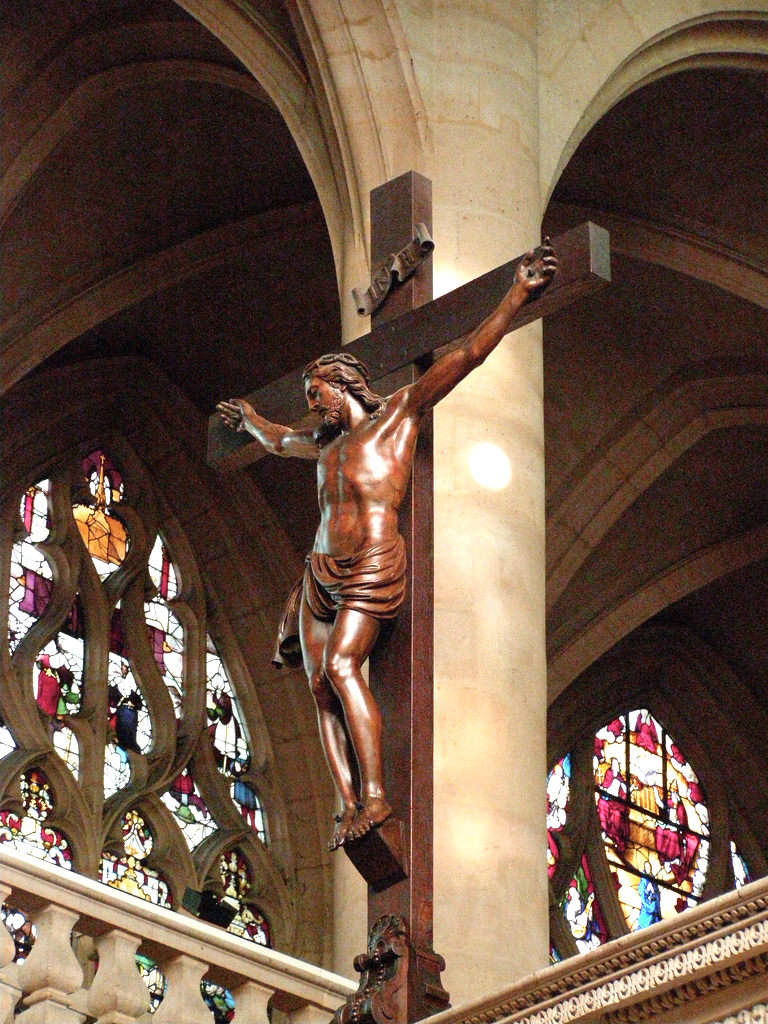
Eglise de
Saint Etienne du mont
Photograph by Jerry Roop5
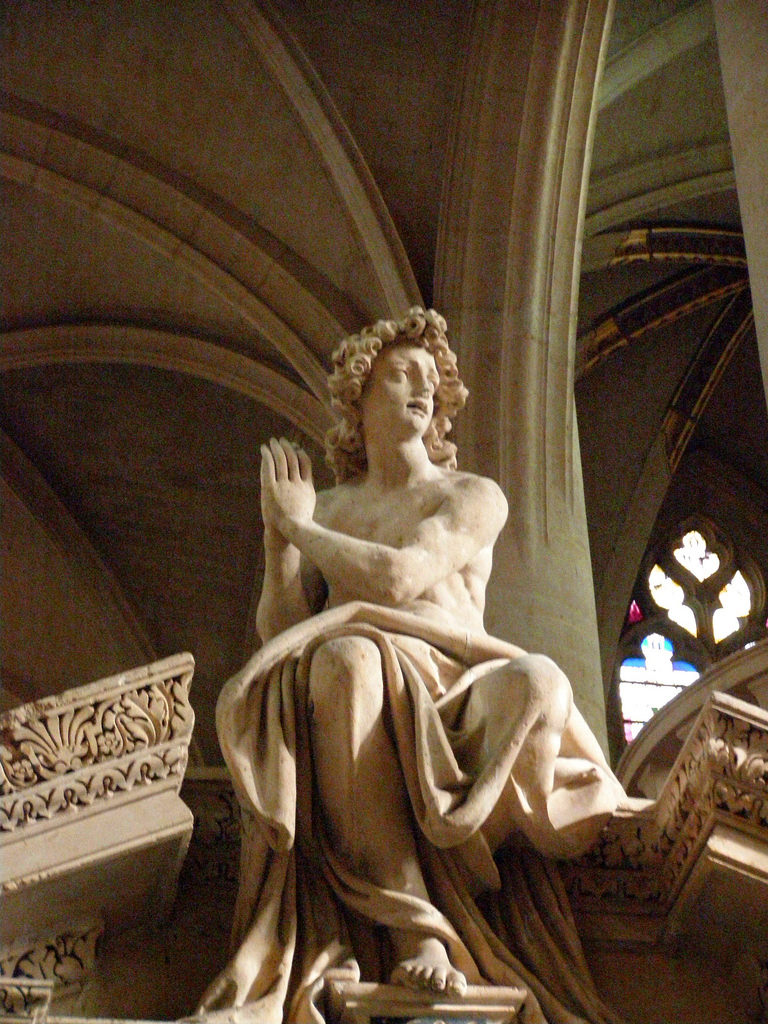
Eglise de
Saint Etienne du mont
Photograph by Jerry Roop6
During the French Revolution, the church was first closed and then turned into a "Temple of Filial Piety." Catholic worship was restored in 1801 …

Nativity scene at Eglise de Saint Etienne du mont
Photograph by Kay Harpa7
The 19th century was marked by many events. On January 10, 1805, Pope Pius VII celebrated Mass in the church. In 1833, Frederic Ozanam, a parishioner of St. Stephen, founded with friends the Society of St. Vincent de Paul.
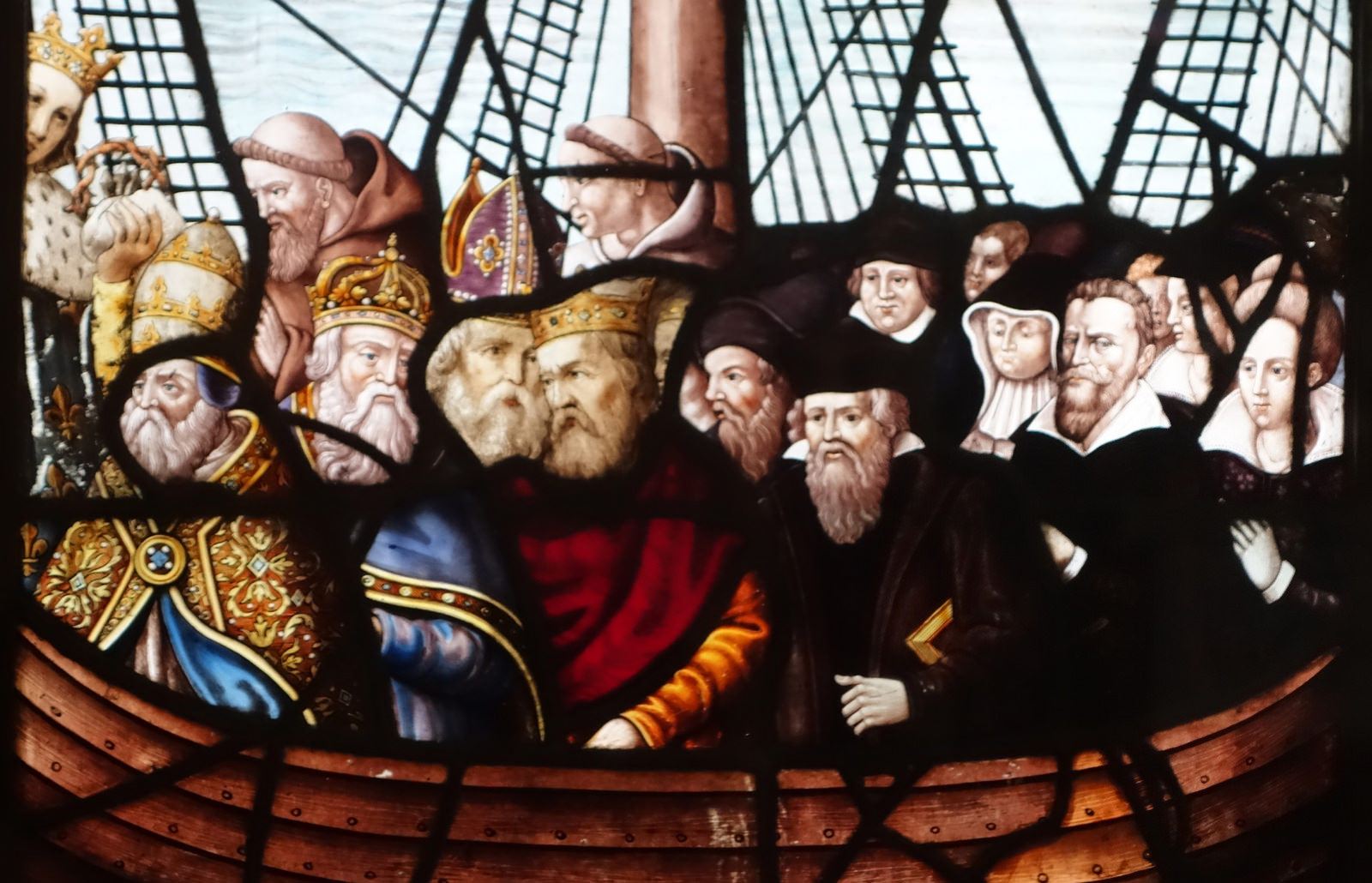
Saints at Eglise de Saint Etienne du mont
Photograph by Thanh My & Yves-Noël-Marie Gonnet-Nguten8
On January 3, 1857, Bishop Marie-Dominique-Auguste Sibour, was assassinated with cries of "Down with the goddesses!" by the priest Jean-Louis Verger, opposed to the dogma of the Immaculate Conception. A plaque at the entrance to the nave marks the grave of the prelate, who was to inaugurate the novena of St. Genevieve. The occultist Eliphas Levi was indirectly involved in this tragic event.
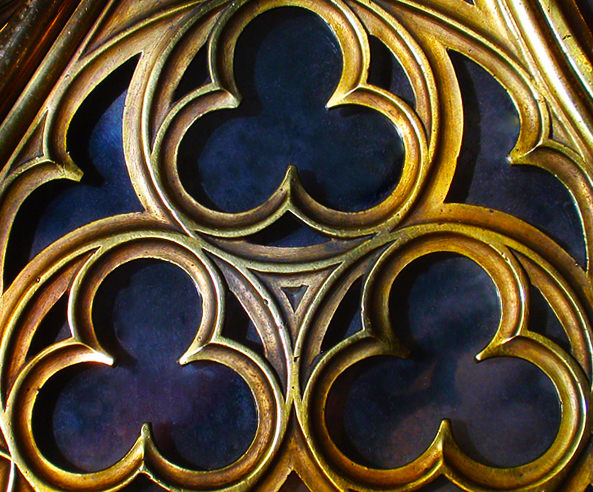
Eglise de Saint Etienne du mont
Photograph by Barbara Smith9
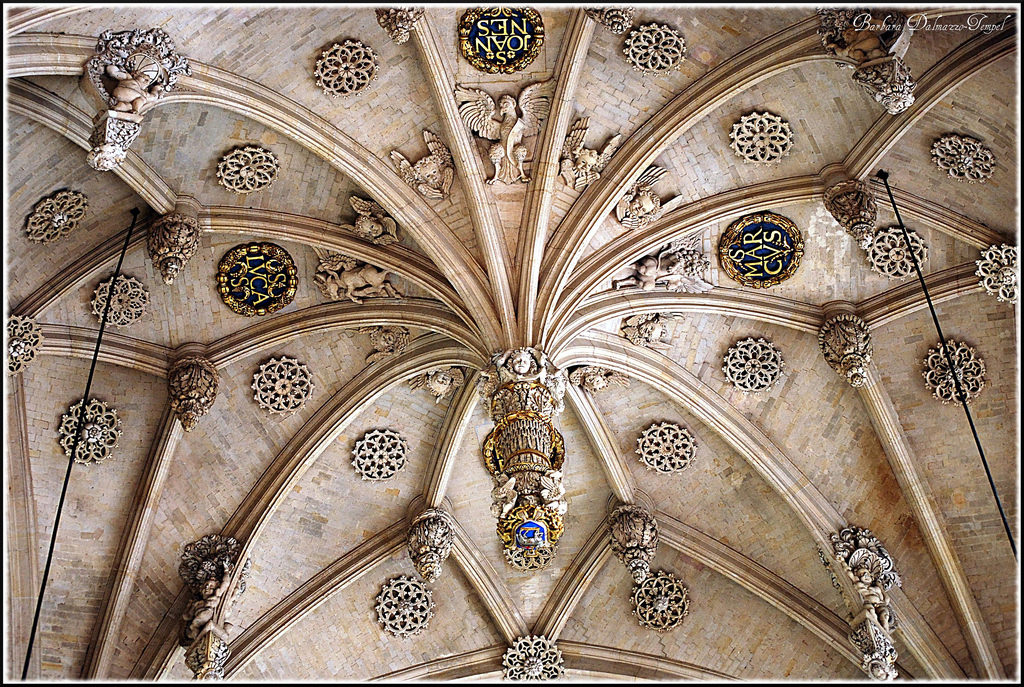
Eglise de Saint Etienne du mont
Photograph by Barbara Smith10
On August 23, 1997, Pope John Paul II celebrated Mass there during the visit to Paris on the occasion of World Youth Day.1
Saint Genevieve
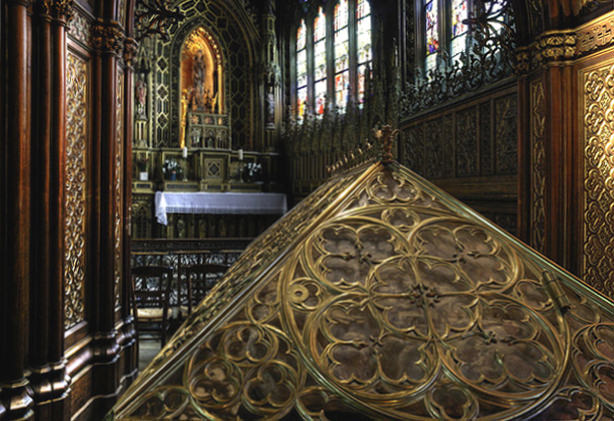
Saint Genevieve's shrine at Eglise de Saint Etienne du mont
Photograph by Thierry Reboton11
St. Genevieve was born about the year 422, at Nanterre near Paris. She was seven years old when St. Germain of Auxerre came to her native village on his way to great Britain to combat the heresy of Pelagius. The child stood in the midst of a crowd gathered around the man of God, who singled her out and foretold her future sanctity. At her desire the holy Bishop led her to a church, accompanied by all the faithful, and consecrated her to God as a virgin.
When Attila was reported to be marching on Paris, the inhabitants of the city prepared to evacuate, but St. Genevieve persuaded them to avert the scourge by fasting and prayer, assuring them of the protection of Heaven. The event verified the prediction, for the barbarian suddenly changed the course of his march.
The life of St. Genevieve was one of great austerity, constant prayer, and works of charity. She died in the year 512. Her feast day is January 3rd.
She dressed in a long flowing gown with a mantle covering her shoulders, similar to the type of garments the Blessed Mother wore. One of the symbols of this saint is a loaf of bread because she was so generous to those in need.2